Historical Village at the Dismal Swamp
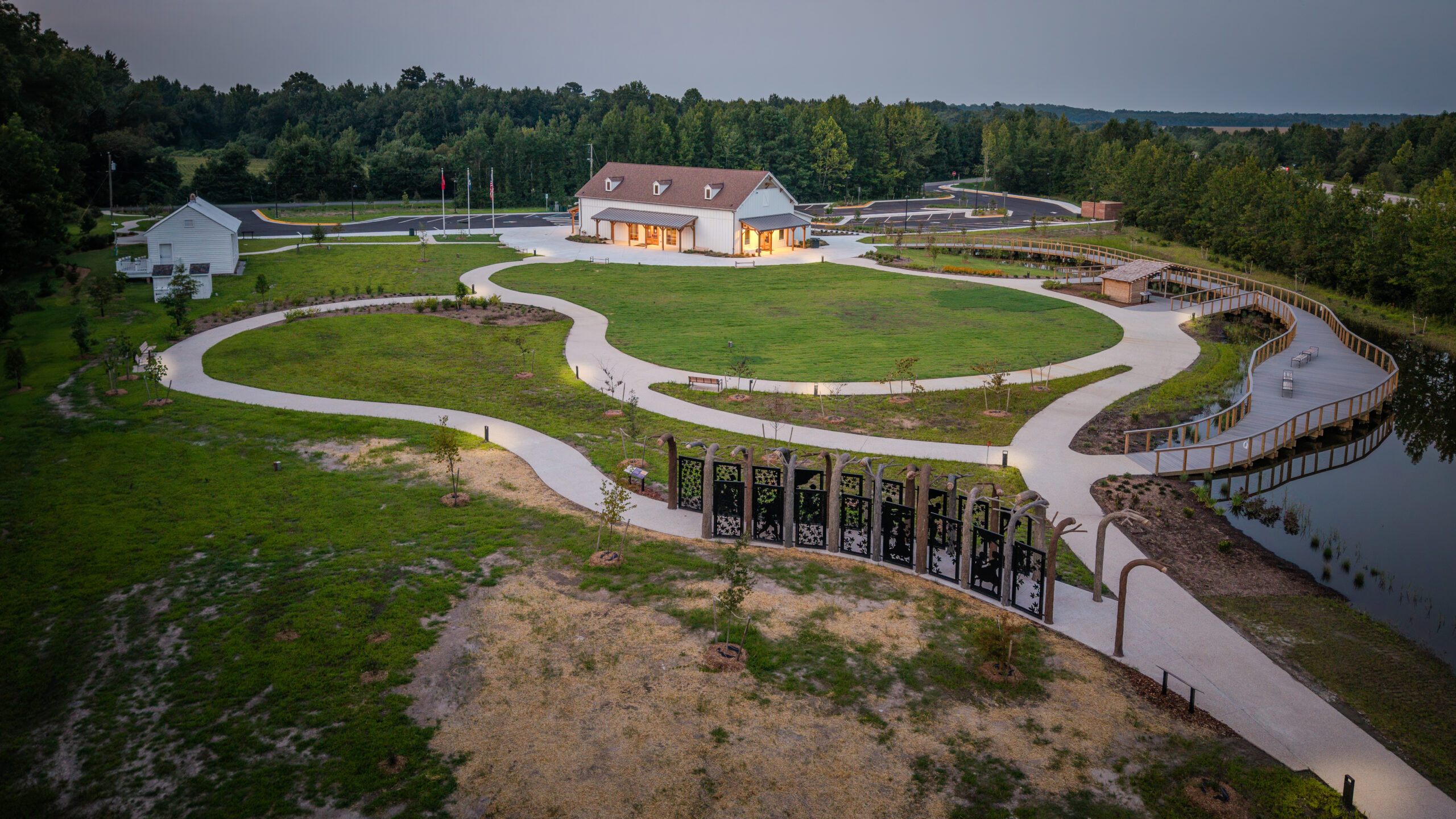
Riggs Ward Design led the exhibit design for the Historical Village at the Dismal Swamp, a six-acre destination developed by the City of Chesapeake. The site brings together a new Visitor Center, the rehabilitated Cornland School, an Underground Railroad Exhibit, and a Maroon Communities Exhibit, with pathways connecting the buildings and extending the visitor experience across the grounds.
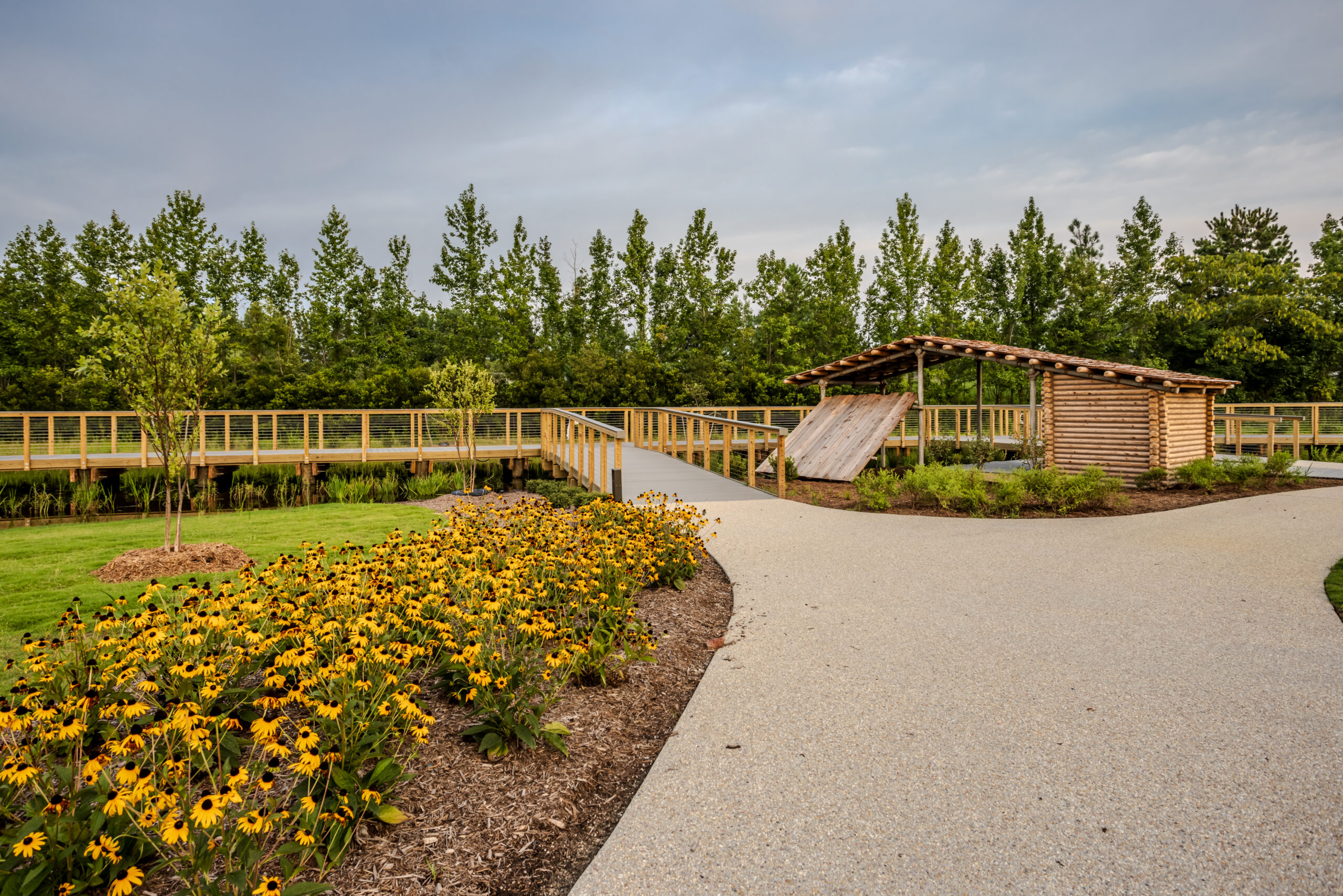
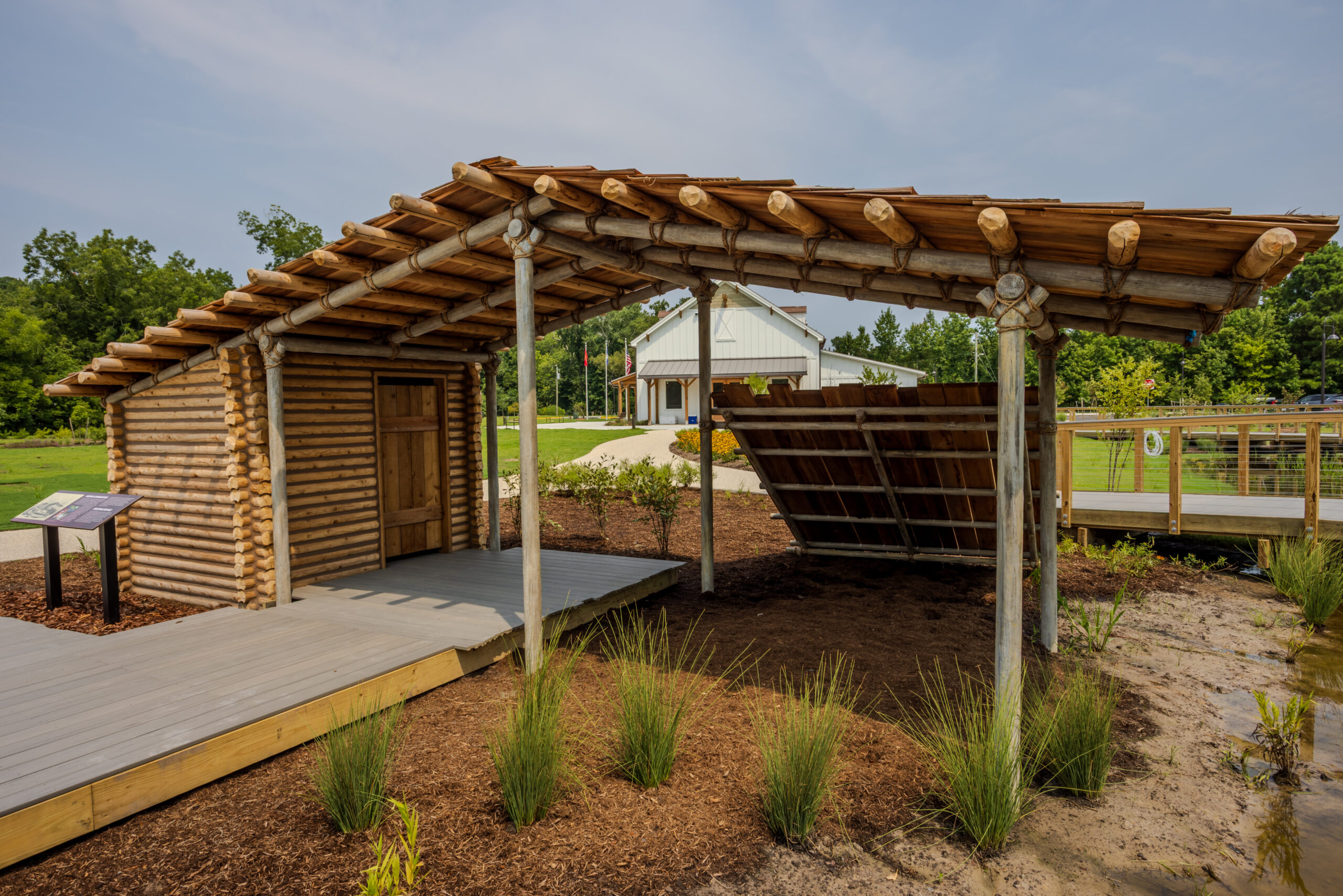
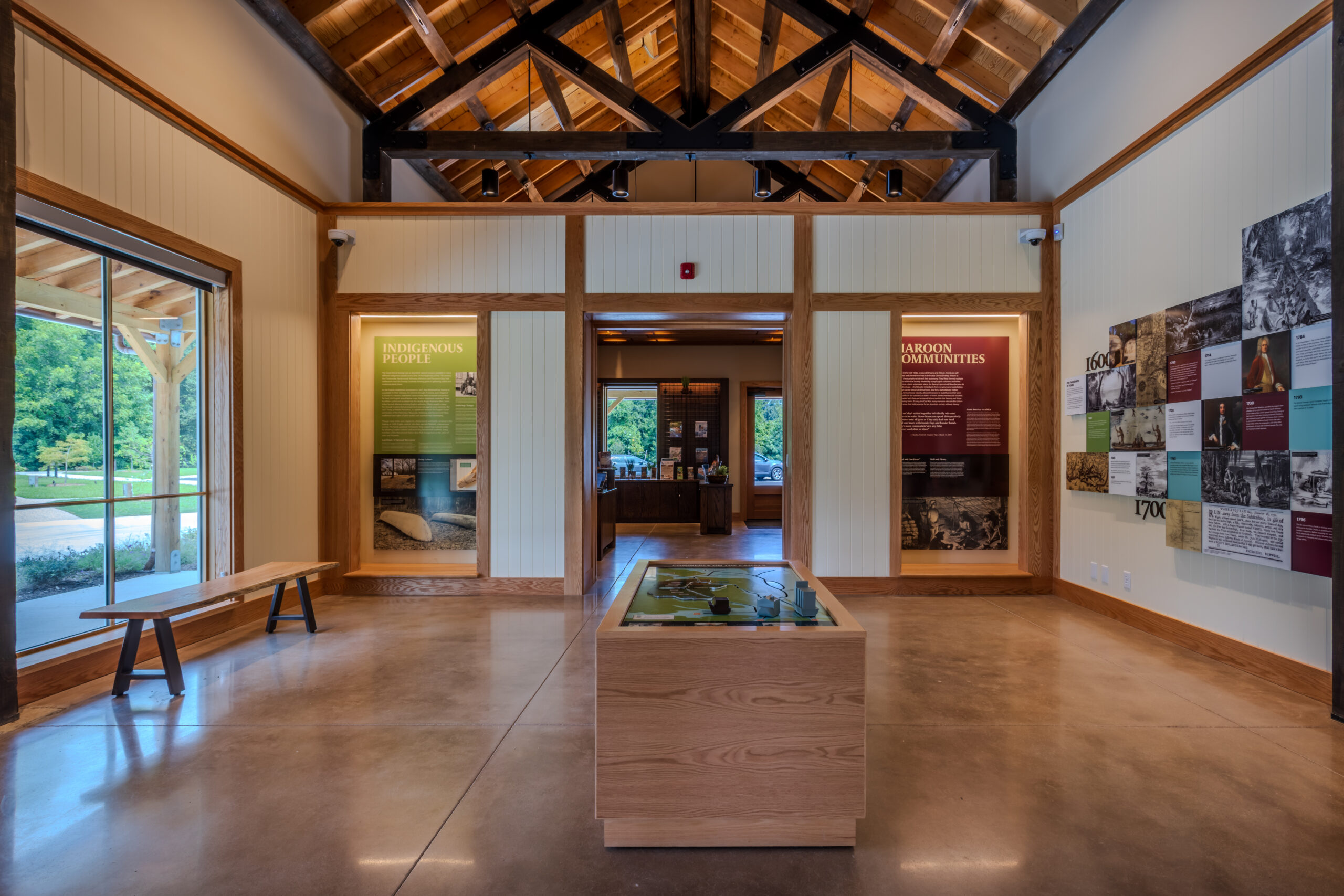
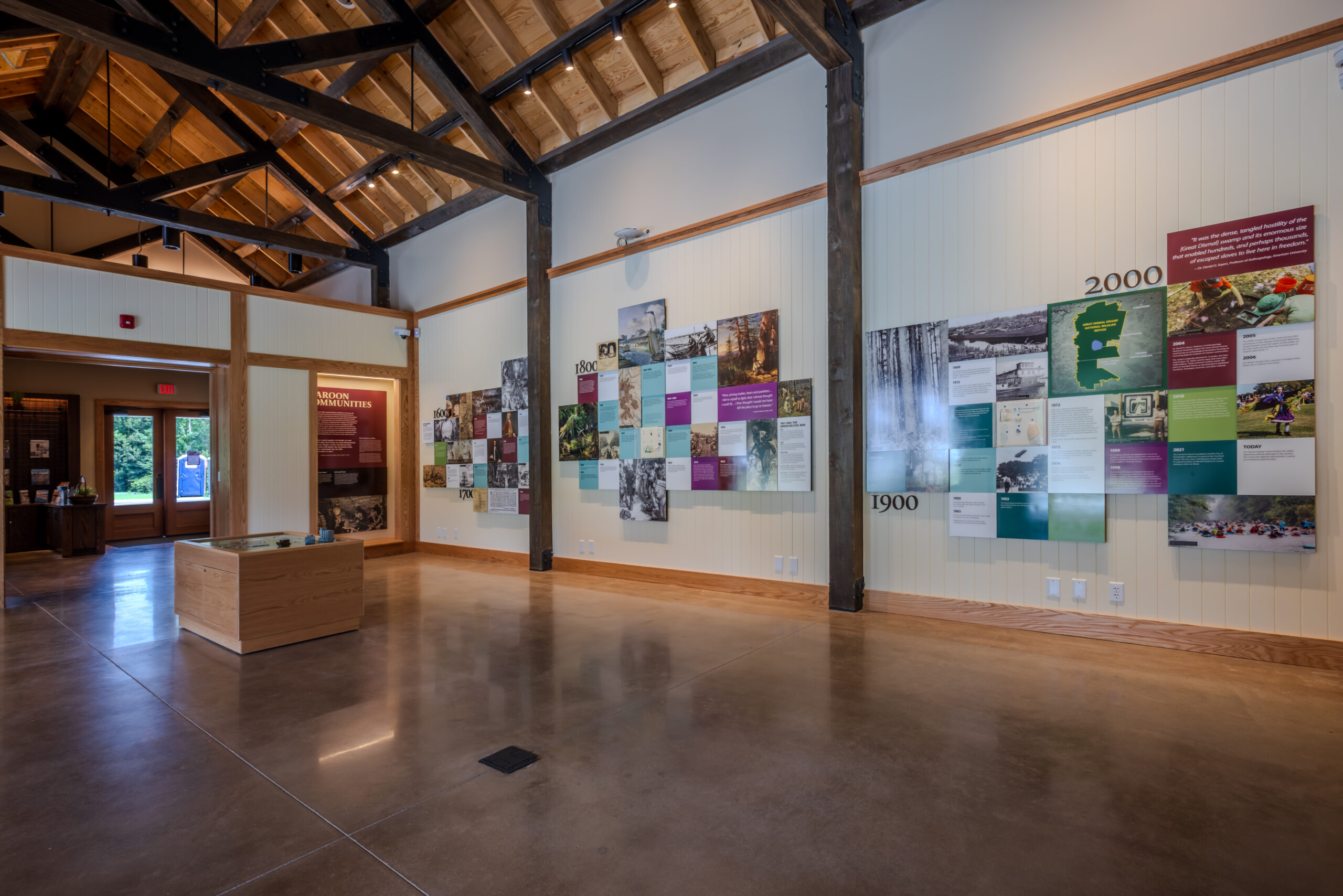
Inside the Visitor Center, exhibits introduce the history of the Great Dismal Swamp, its relationship with Indigenous communities, the development of the Dismal Swamp Canal, and the generations of people who lived and worked in the region. Exterior installations explore maroon communities and the swamp’s significance as a place of refuge and passage for freedom seekers. A recreation of a maroon hut, inspired by shelters that may have been built within the Great Dismal Swamp, helps visitors consider how these communities adapted to and survived within the challenging landscape.
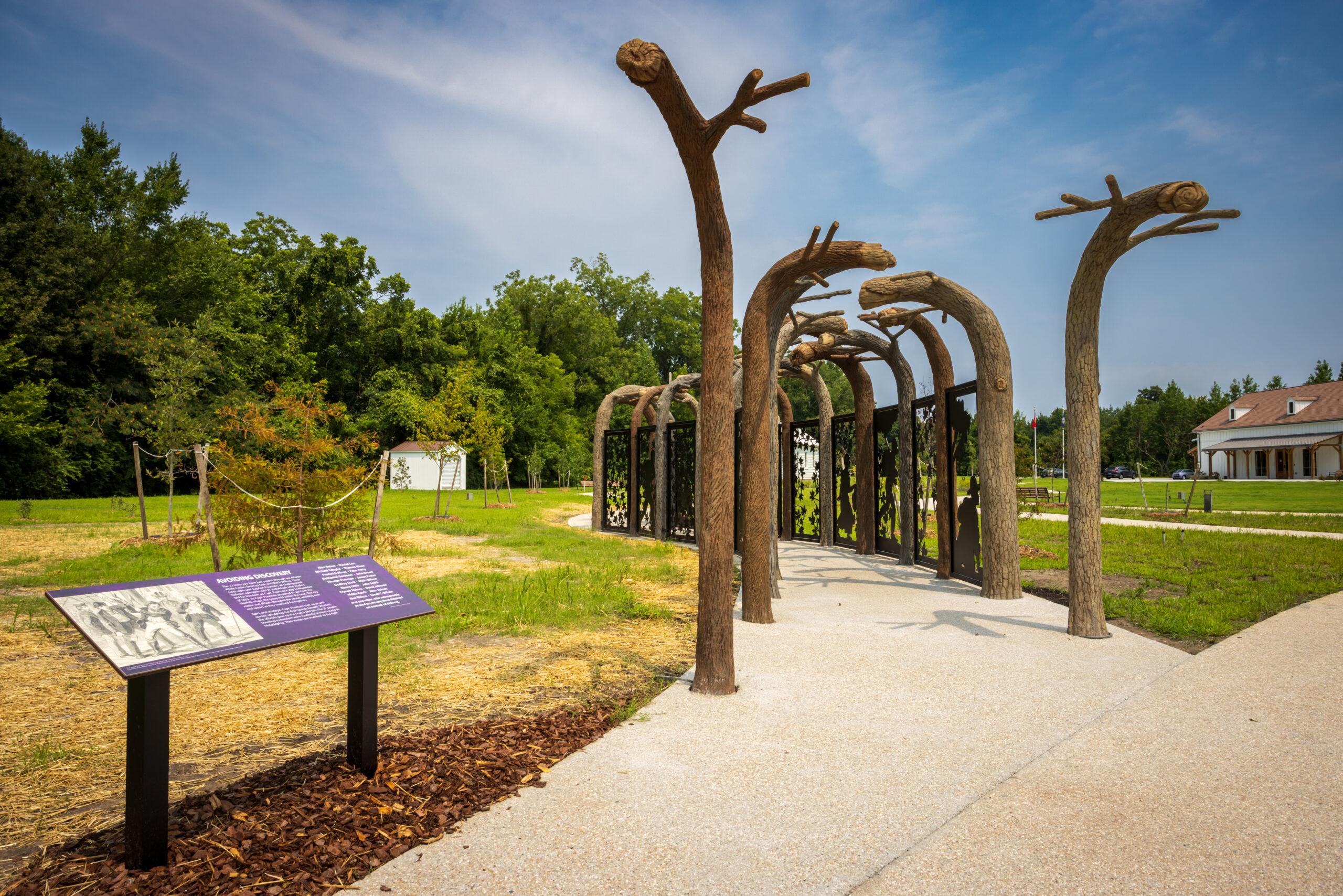
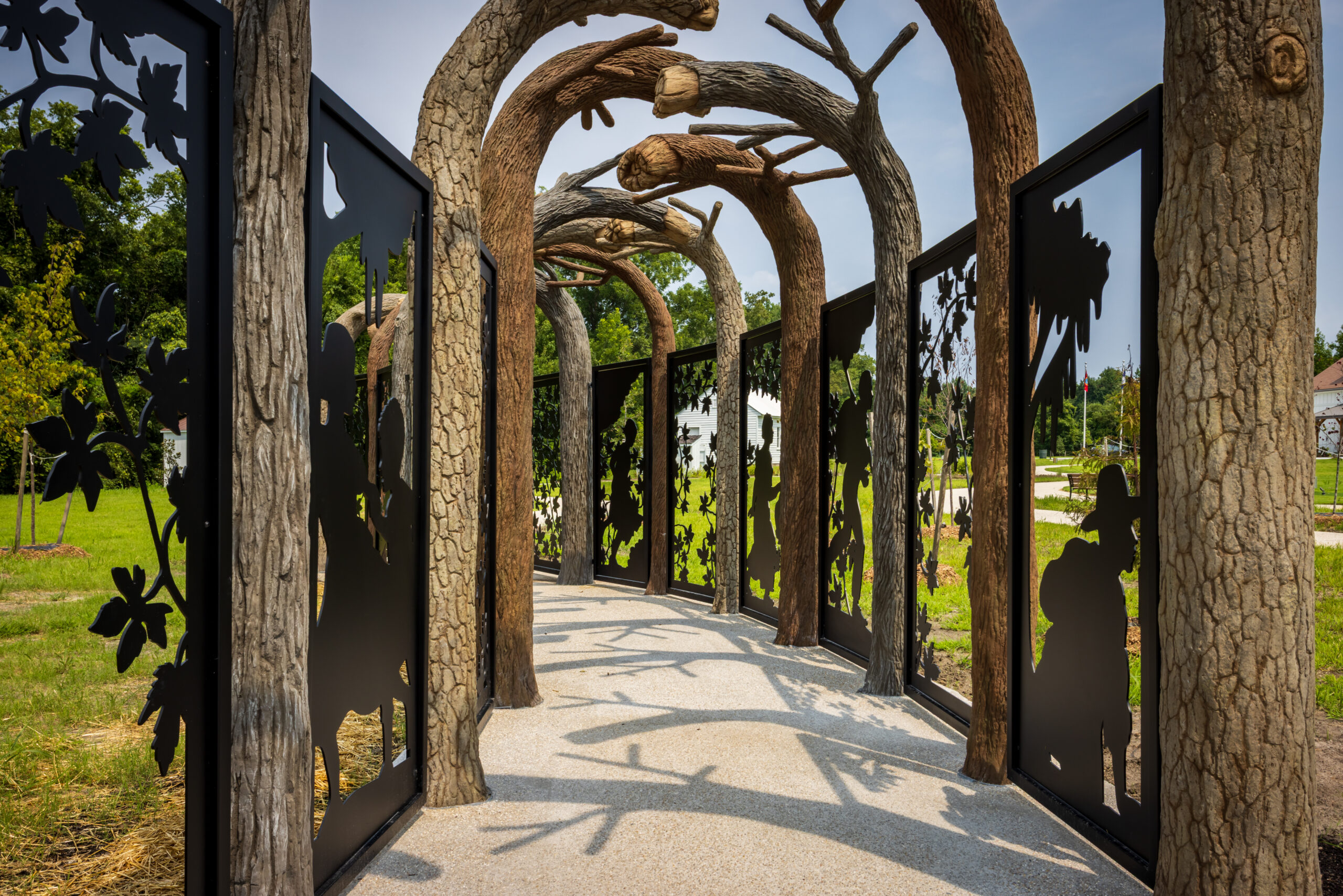
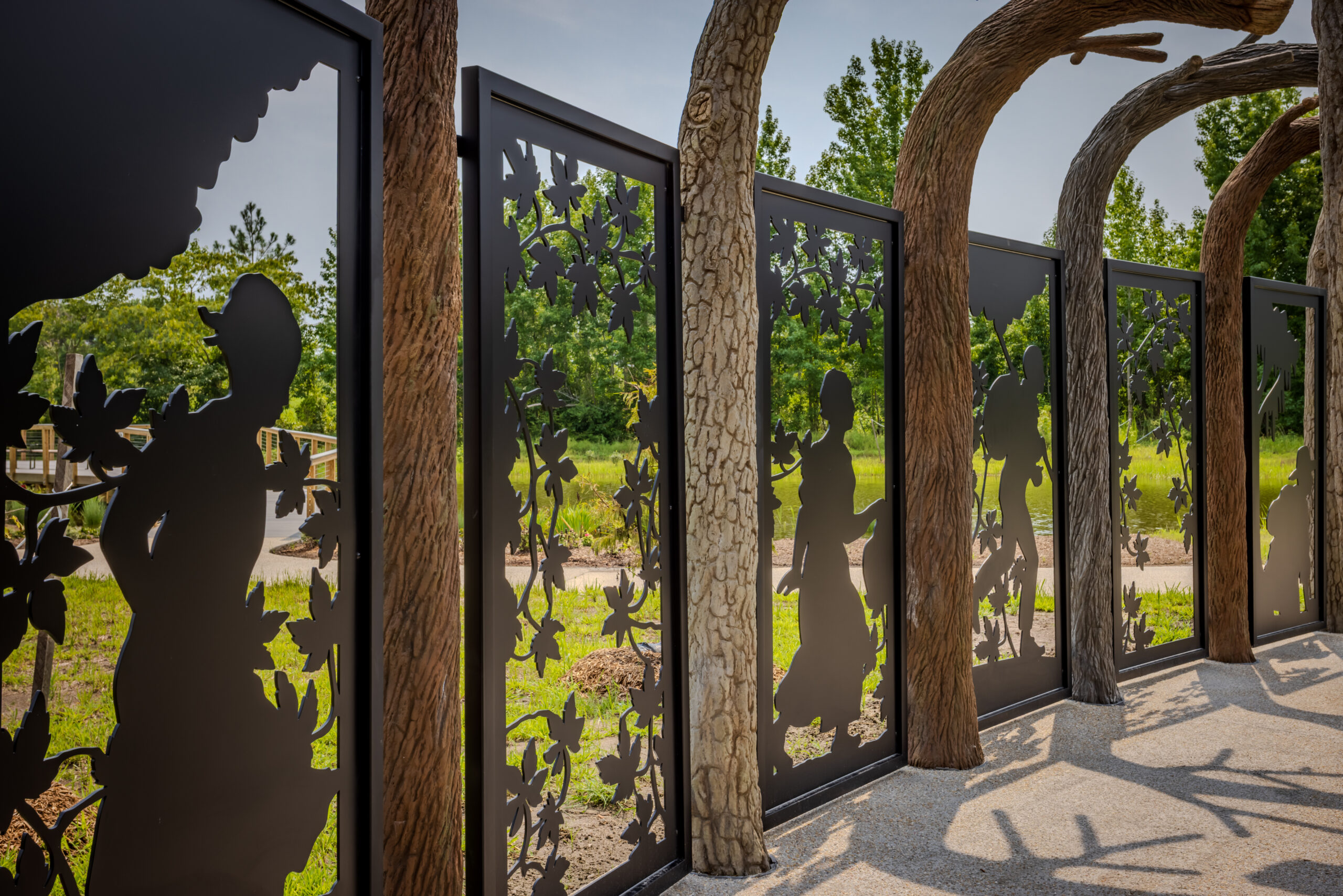
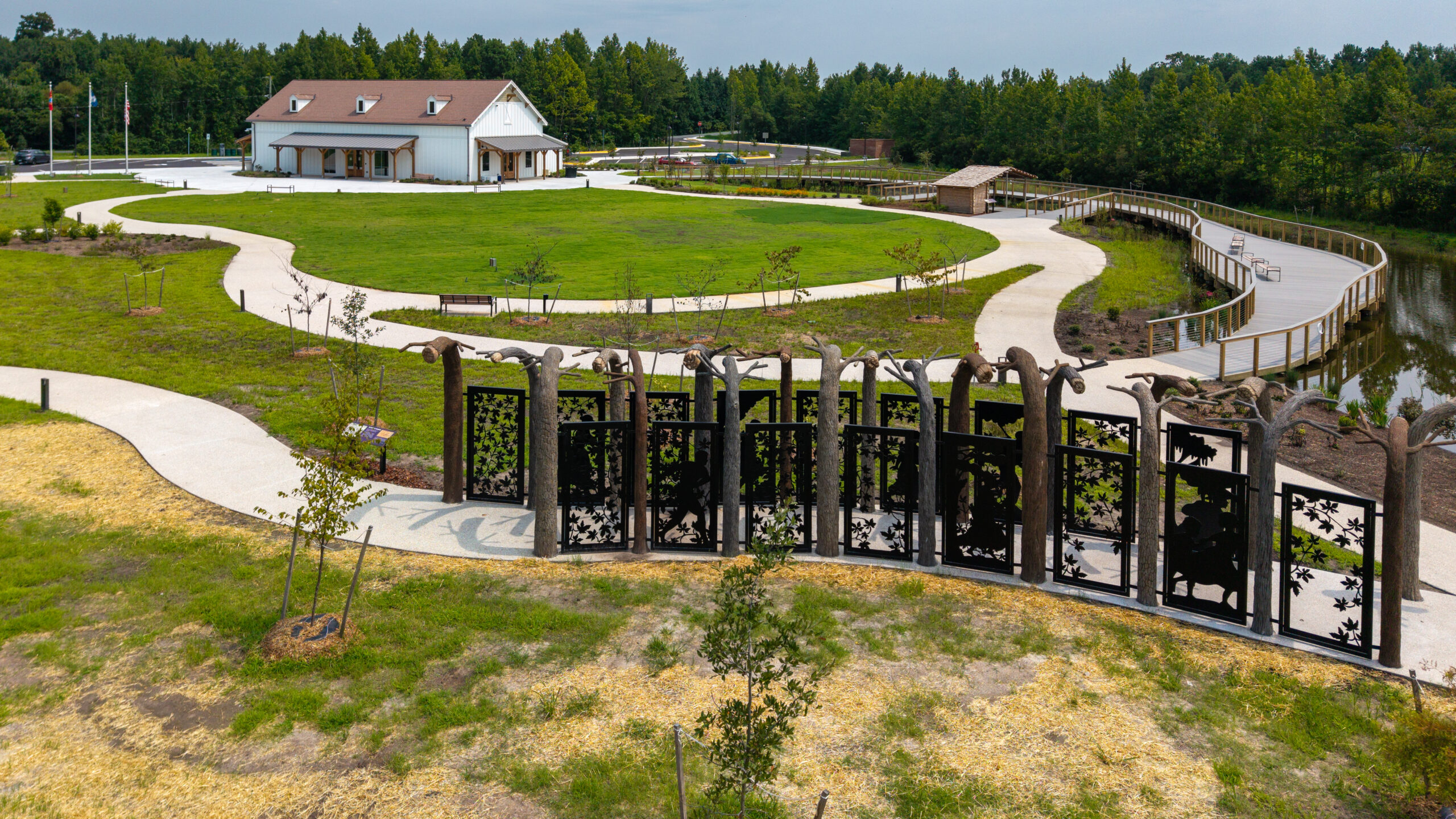
Another exterior installation features 22 trees representing the freedom seekers who escaped to Philadelphia with the help of Captain Fountain, an Underground Railroad operative. The landscape provides a contemplative space where visitors can reflect on their journey, courage, and pursuit of freedom.
Together, these experiences reveal the region as a crossroads of Indigenous, colonial, and African American history, as well as an important center of trade and industry. Hanbury served as the project architect, working with the City of Chesapeake and Riggs Ward Design to integrate the new construction, historic school, landscape, and exhibits into a cohesive visitor experience.